Industrial Concrete Trench Cut and Pour for Active Job Site Drainage
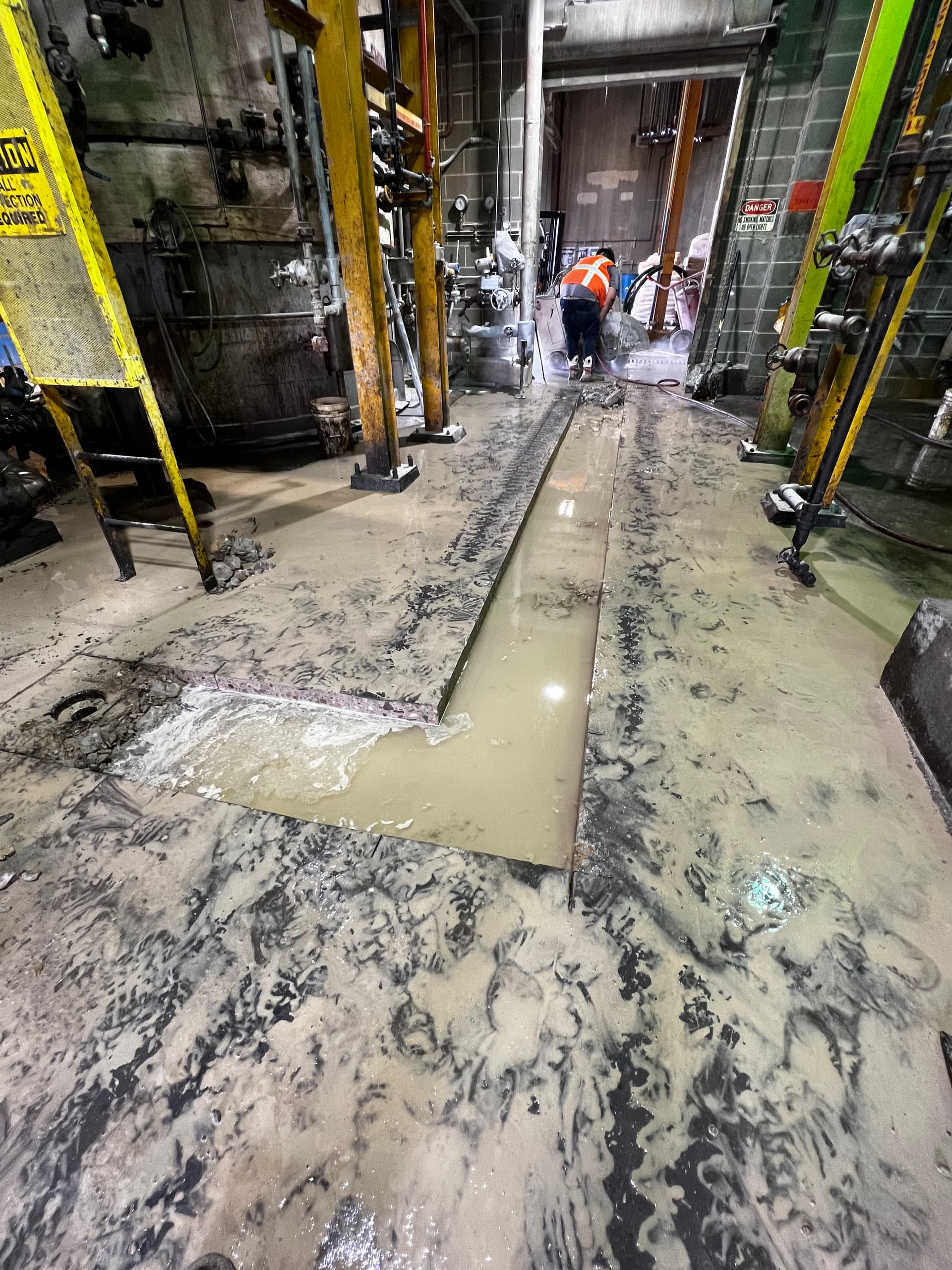
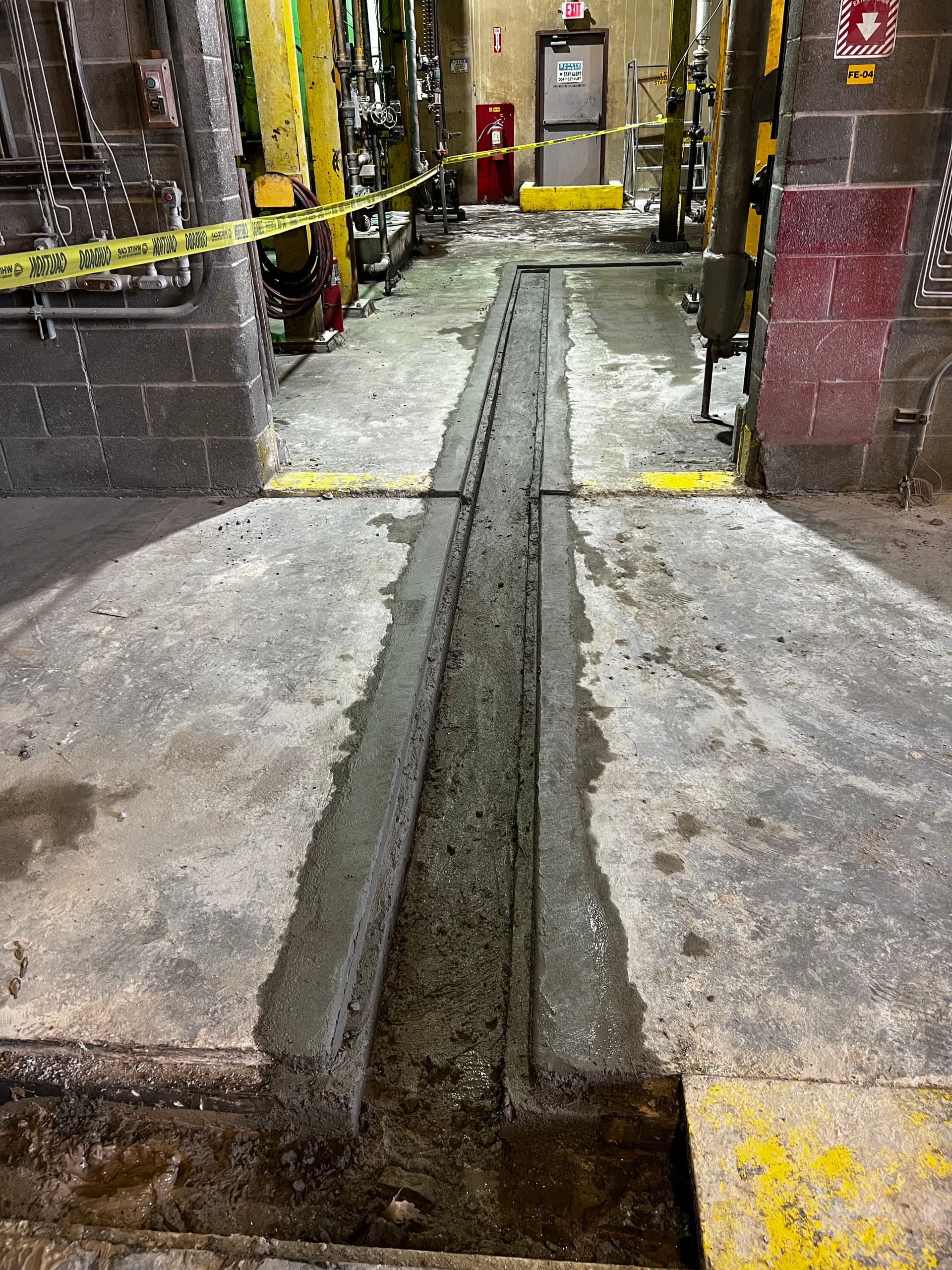
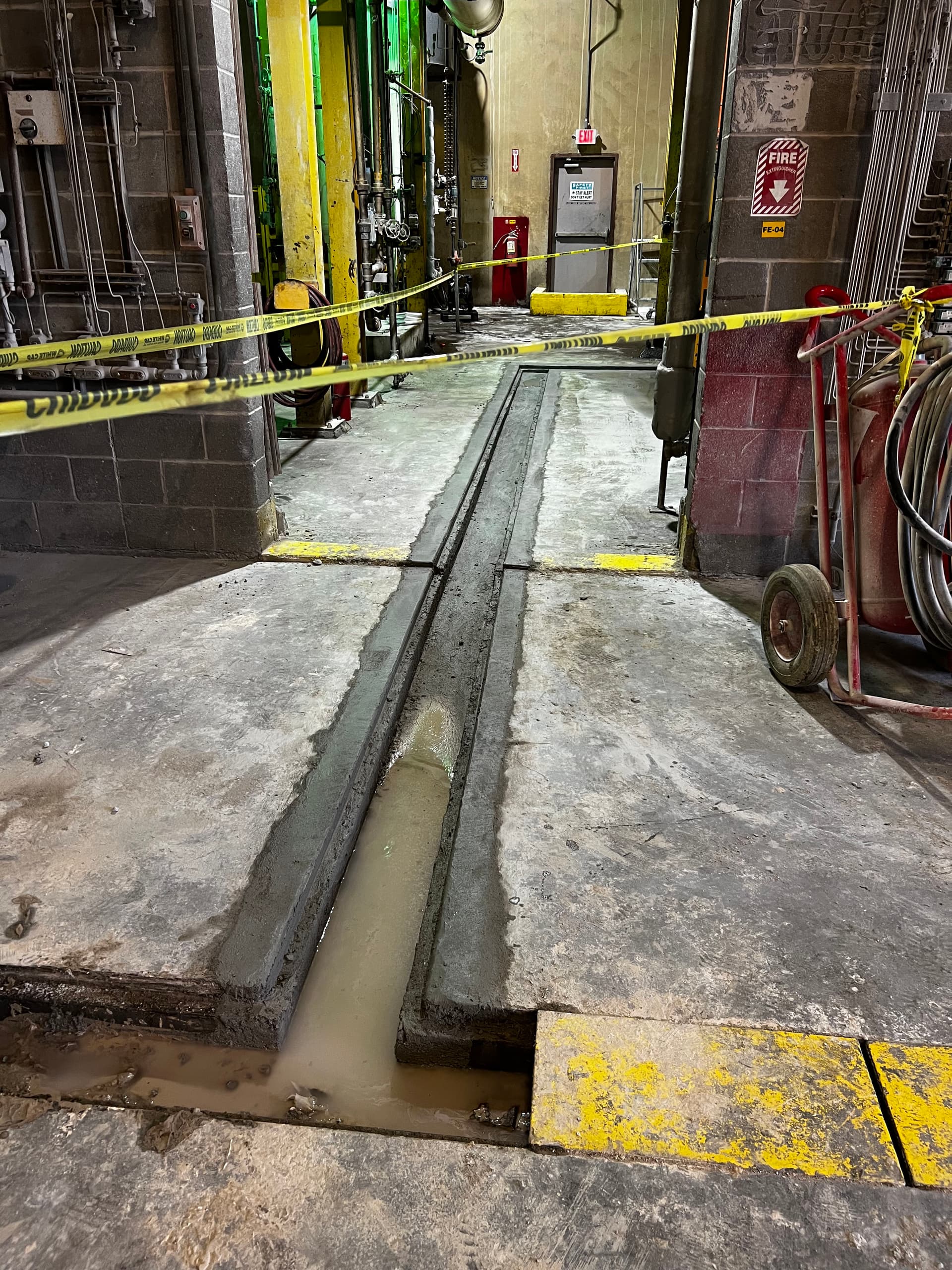
Water pooling on an active job site floor is more than just a nuisance - it's a safety hazard and an operational headache. When a facility has residual water and process fluids collecting on the floor with nowhere to go, it slows everything down and creates real risk for the workers and equipment around it. That's exactly the problem we were brought in to solve here.
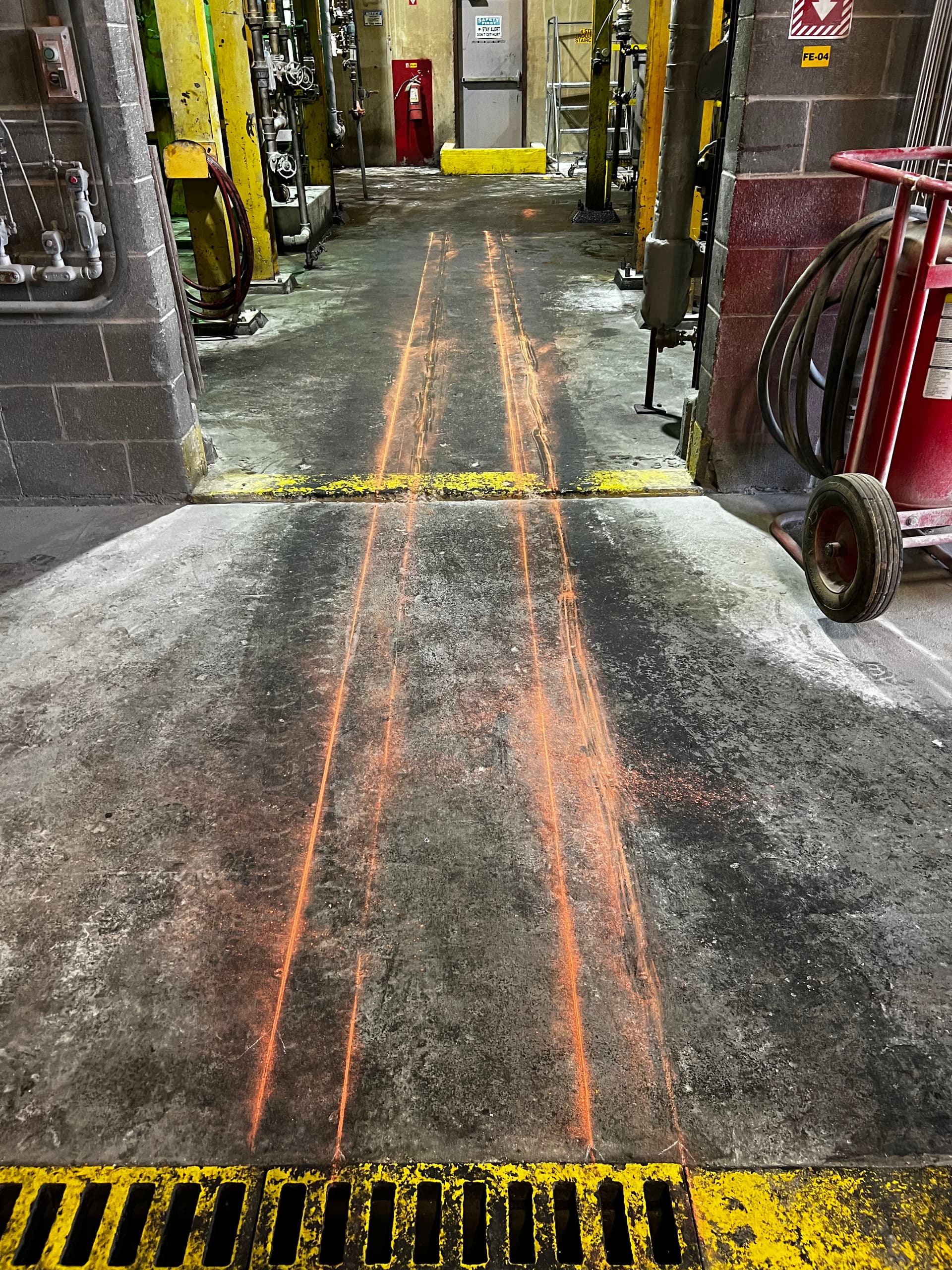
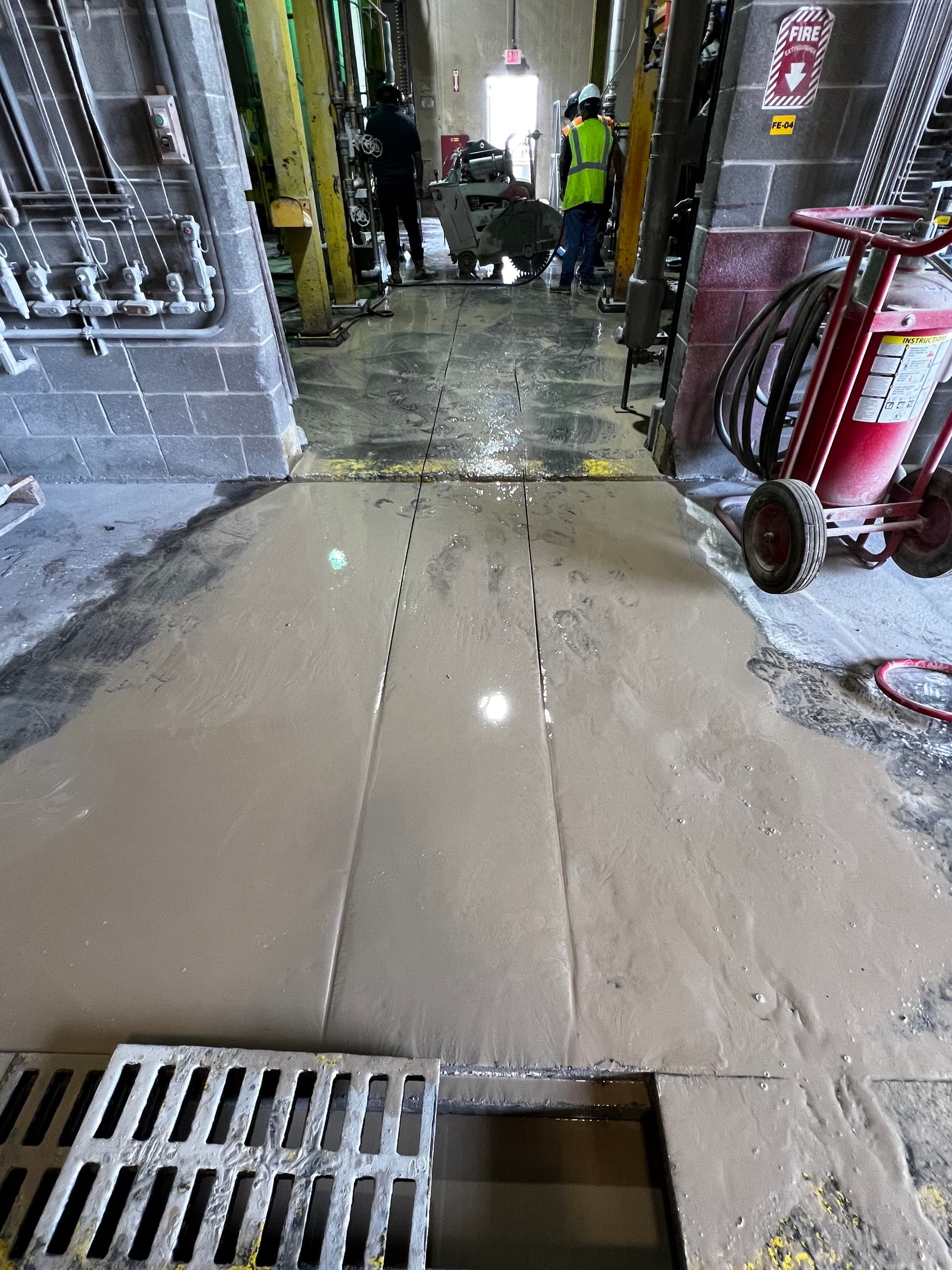
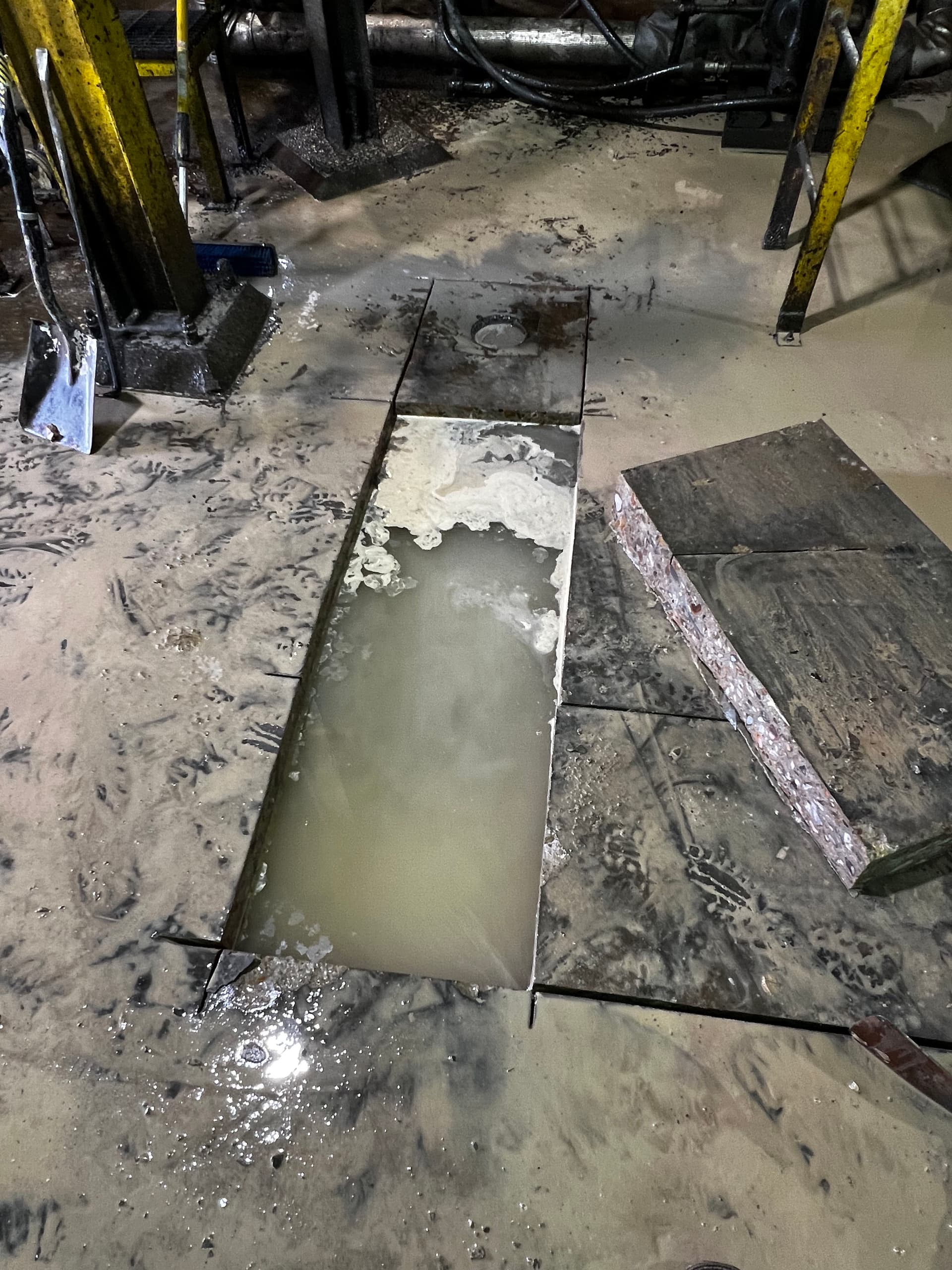
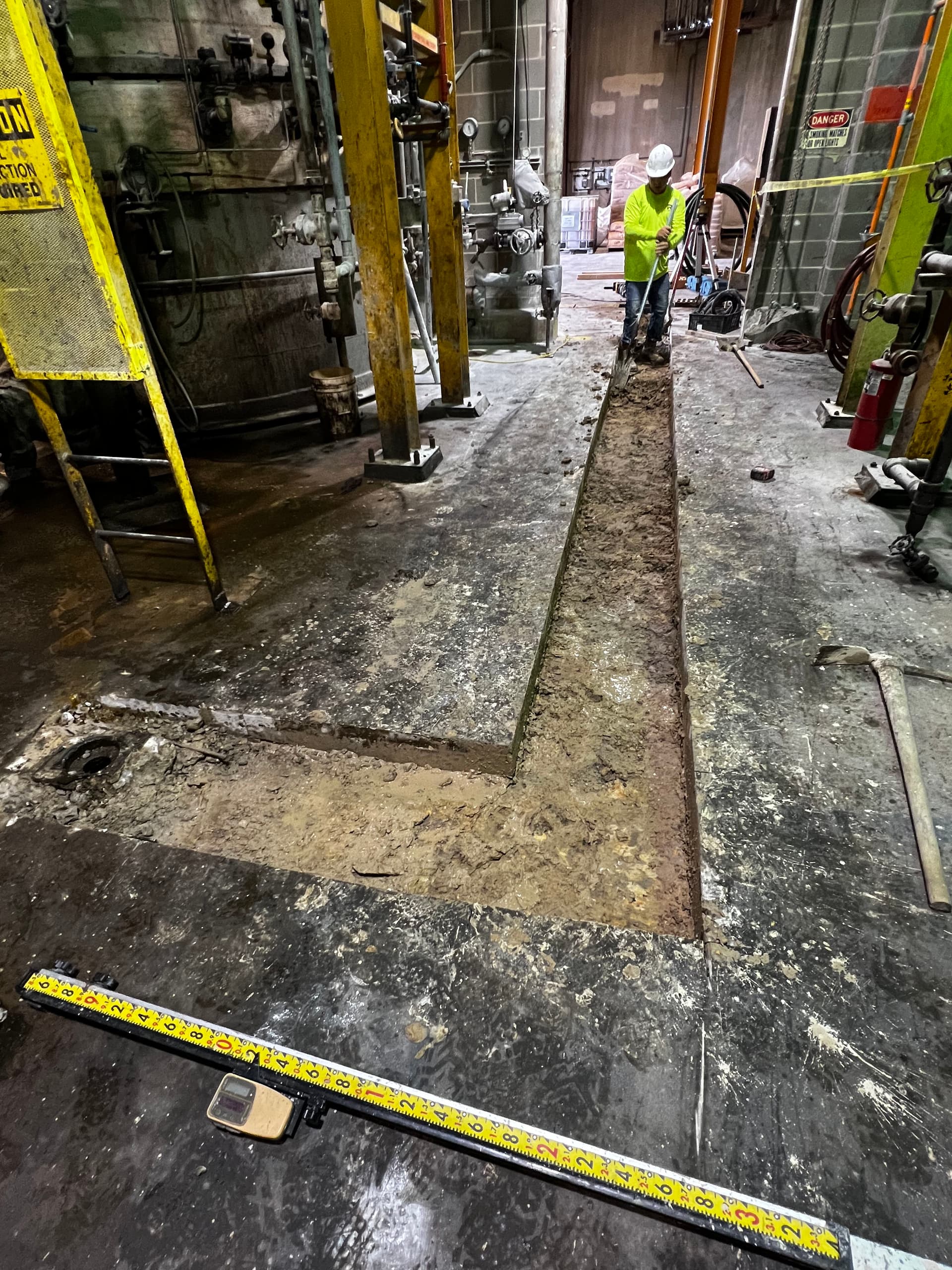
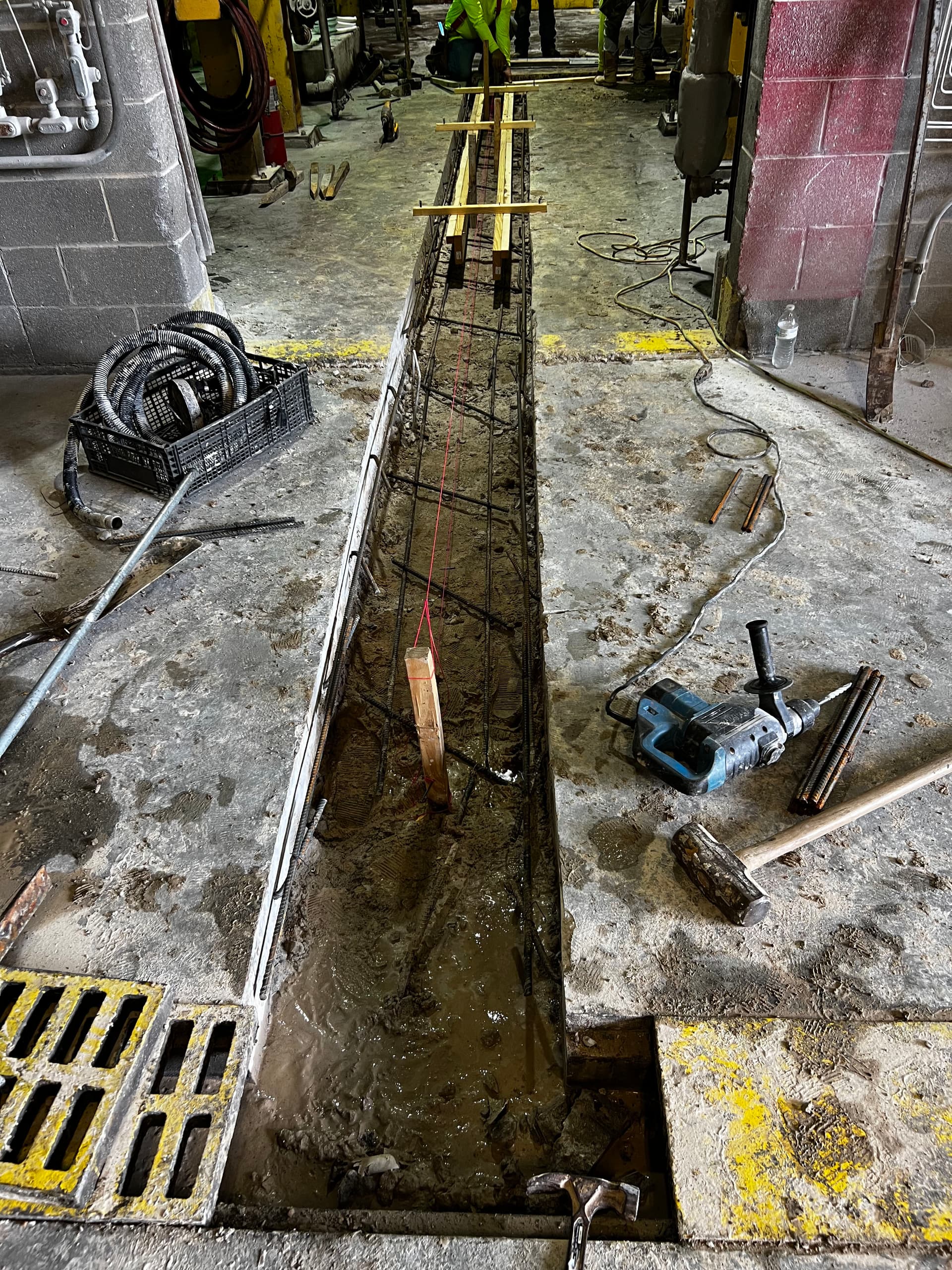
We started with concrete demolition - cutting through the existing industrial floor to open up the trench channel. You can see the rebar cage we set inside the excavated trench before the pour, tied and positioned to give the new concrete the structural backbone it needs in a heavy-use environment like this. That step matters a lot. Skipping proper reinforcement in an industrial setting is how you end up doing this job twice.
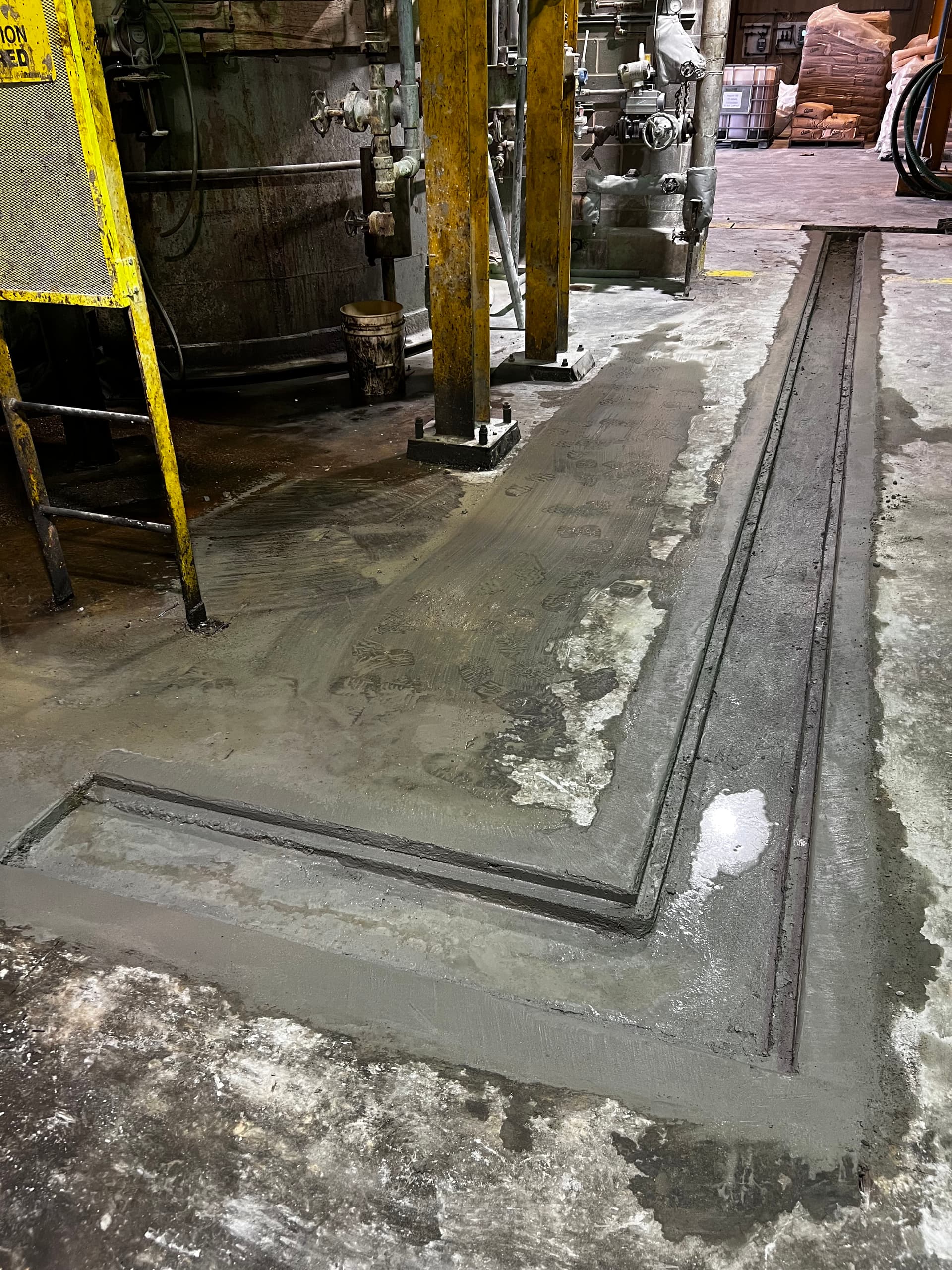
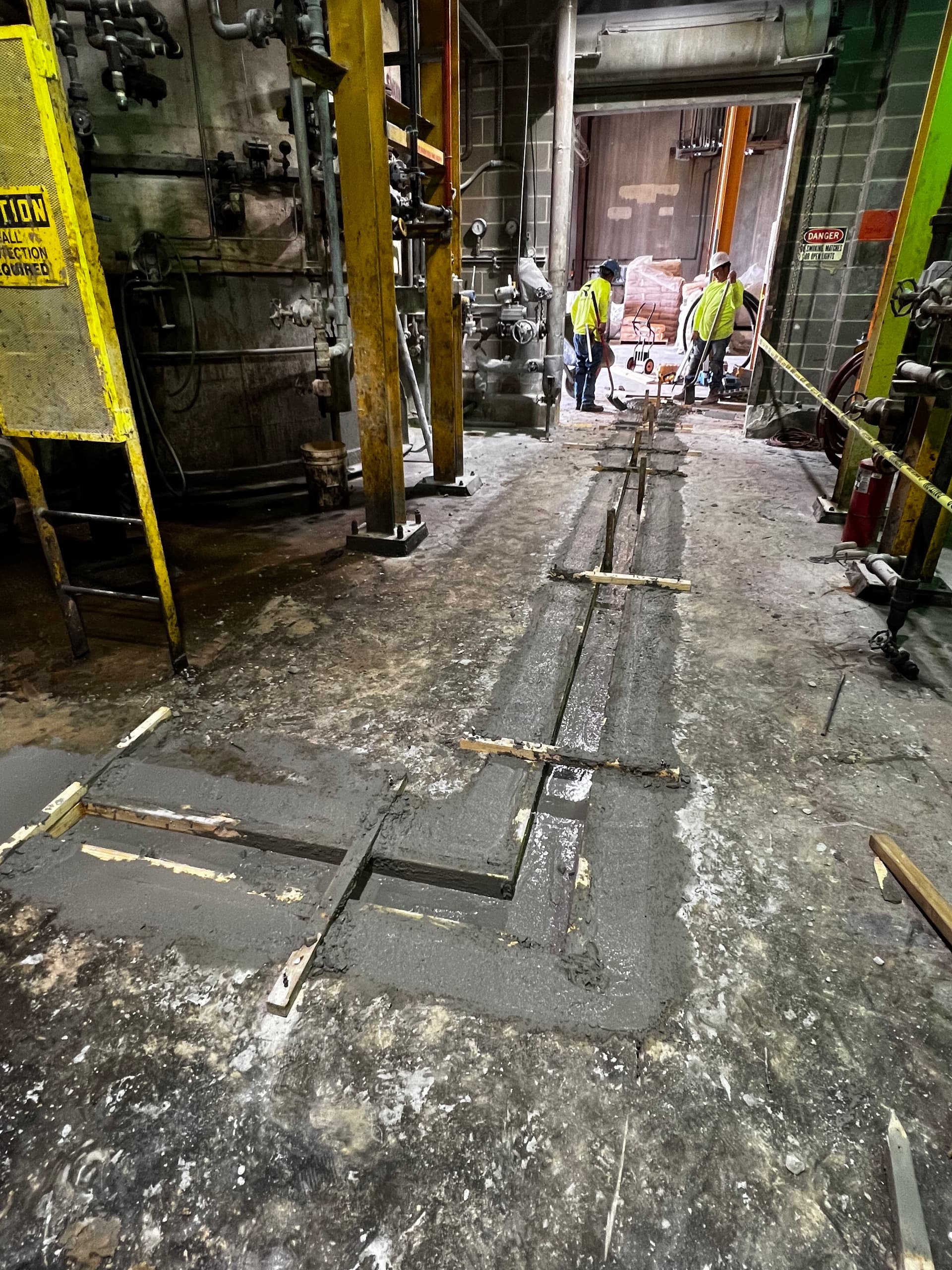
Once the forming and rebar work were dialed in, we poured the concrete slab sections and trench walls. The channel runs the full length of the work corridor, tying into the existing drain infrastructure at the end. Fresh concrete was screeded flat and tight to the metal channel framing - keeping the surface flush so it doesn't create a lip or trip hazard once workers are back in the space.
The whole job - demolition, forming, rebar, pour, and finish - wrapped up in 2 days. That kind of turnaround is critical in a facility where downtime costs money. We work efficiently without cutting corners, and the result is a drainage solution that's built to hold up under the daily grind of an industrial operation.
This is the kind of concrete work that actually solves a problem. Not just cosmetic - functional, durable, and done right the first time. If your facility is dealing with water management issues or needs concrete demolition and replacement, this is exactly the kind of job we do.