Large-Scale Barn and Shop Concrete Slab Pour Done Right
A slab like this doesn't happen by accident. Before the first drop of concrete ever hits the ground, there's a lot of work that has to be done - grading, forming, rebar layout, and making sure every inch of that base is ready to hold what's coming. Skip any of those steps and you'll pay for it later.
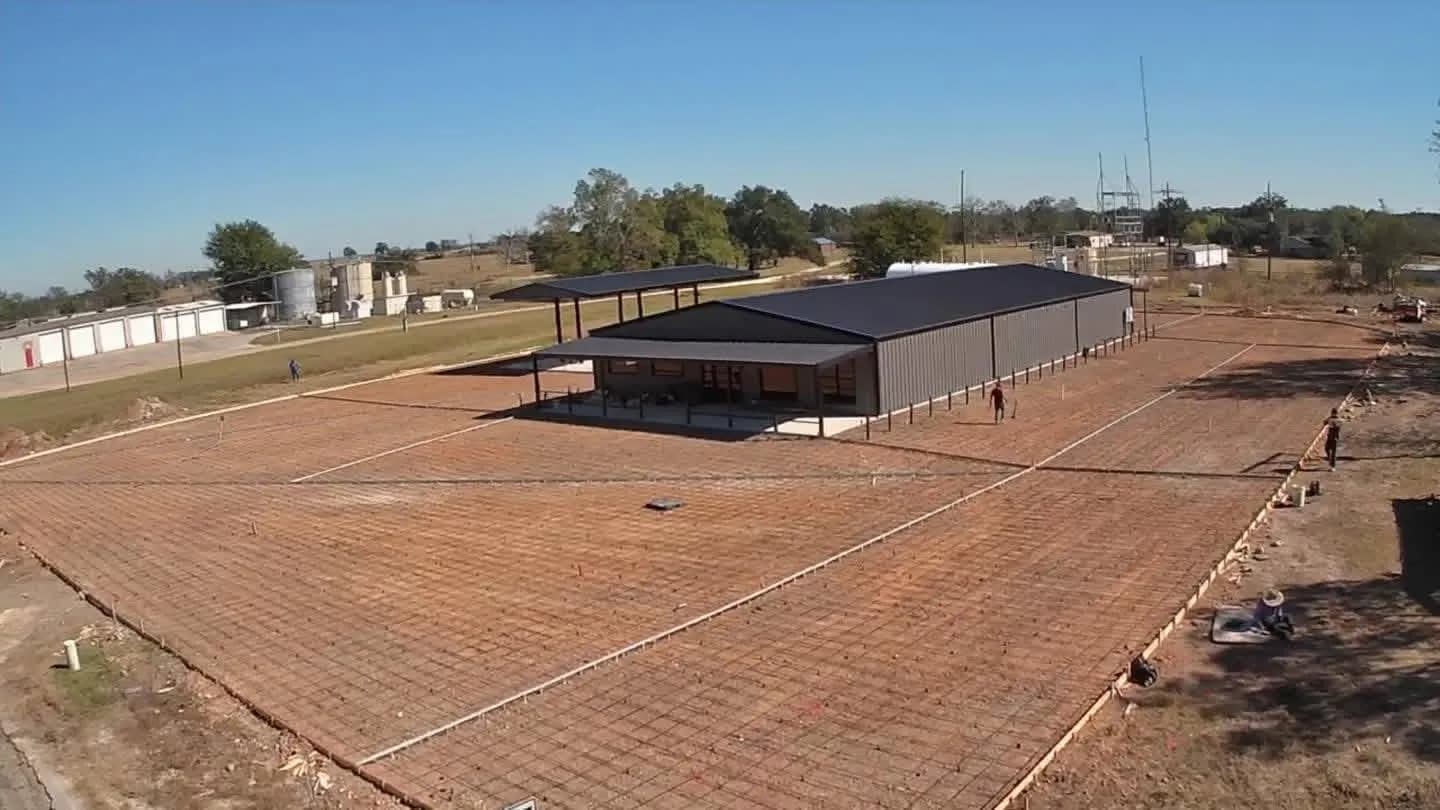
We ran a full rebar grid across the entire pad. You can see how tight and even that layout is before the pour. That steel is what gives a concrete slab its real strength - especially one that's going to take heavy equipment, loaded trucks, or years of daily use inside a working barn or shop. It's not something you cut corners on.
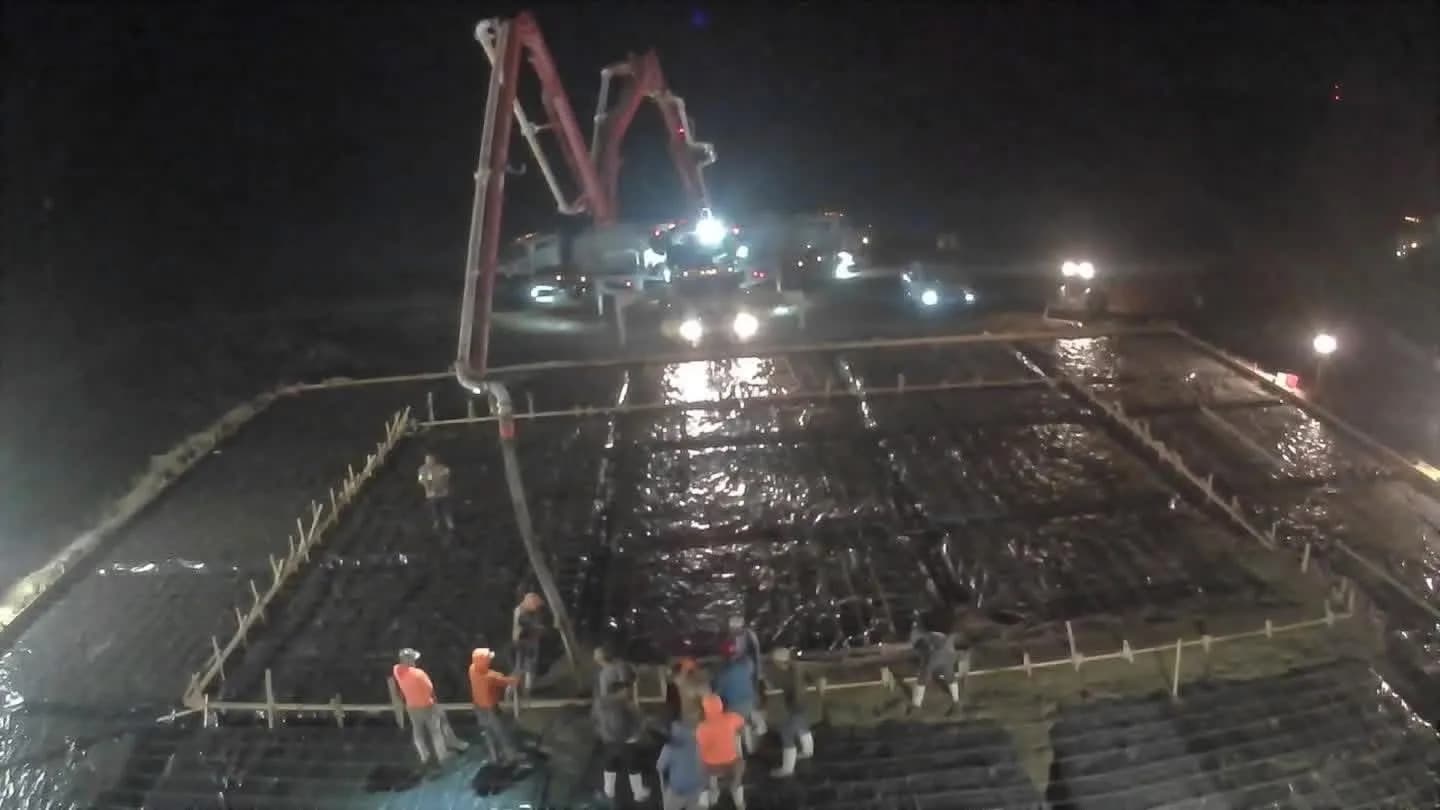
The pour itself was a large-scale operation. We used a concrete pump boom to place the material efficiently and evenly across the whole slab. That kind of equipment matters on a job this size - it keeps the pour moving at the right pace so the crew can stay ahead of the finish work. Timing is everything with concrete.
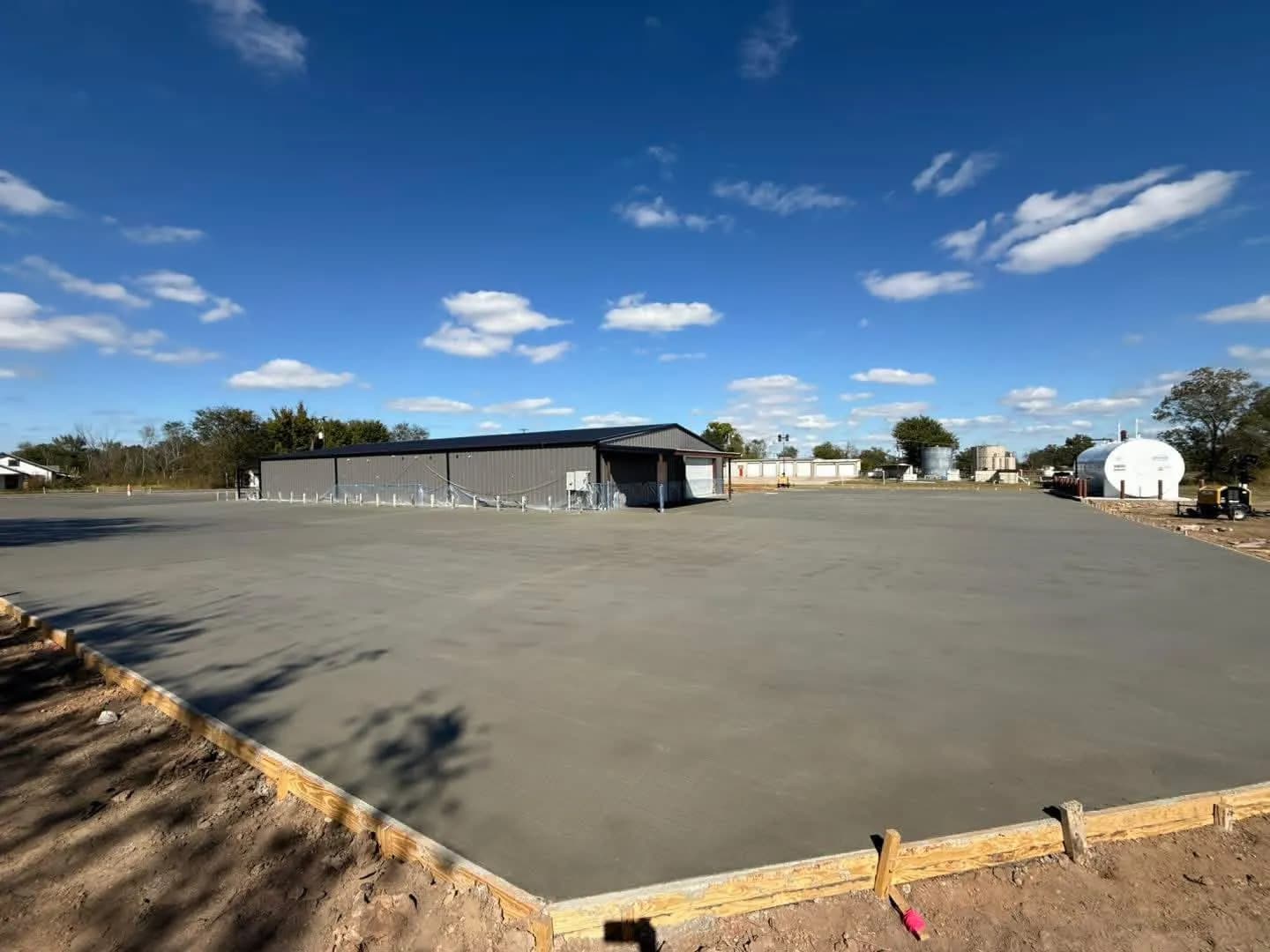
What you end up with is a flat, clean, reinforced slab that's ready to actually work. No soft spots. No weak edges. Just solid concrete that will hold up for decades. That's what good prep and a crew that knows what they're doing gets you.
If you've got a barn, shop, or outbuilding that needs a concrete foundation or slab, the process we follow is the same every time - do it right from the ground up. That's the only way we know how to do it.